




Can Diabetes Affect Your Eyes? What to Know About Diabetic Eye Disease
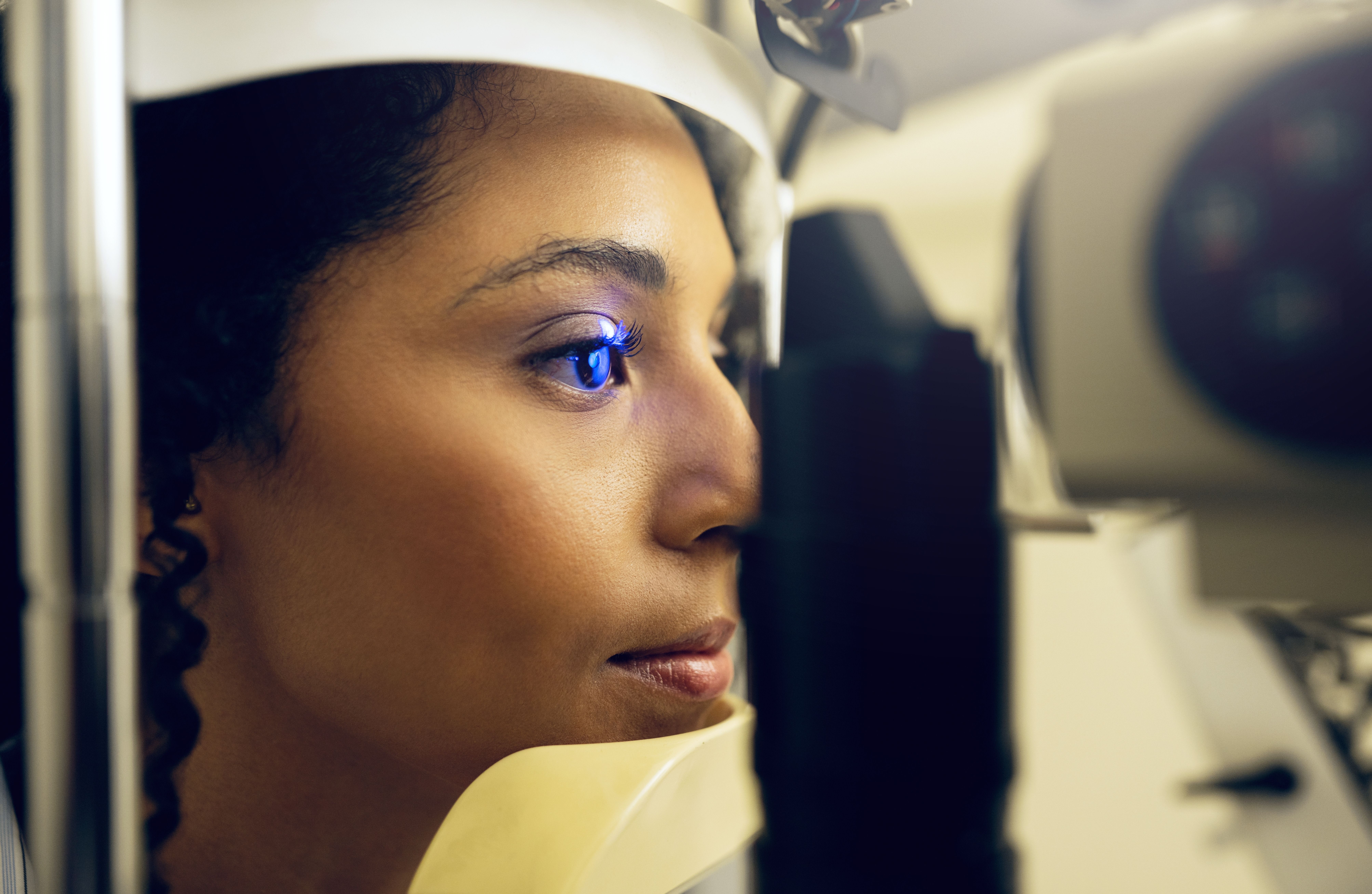
Diabetes is widely known for its effects on blood sugar, but its impact on eye health is often overlooked. Over time, diabetes can quietly damage the eyes, increasing the risk of vision-threatening conditions that may develop without obvious symptoms. Understanding how diabetes affects your eyes can make a critical difference in preserving clear, healthy vision.
How Diabetes Affects Your Eyes
When blood sugar remains elevated, it weakens and damages small blood vessels throughout the body, including those in the retina. This damage may develop quietly, without pain or noticeable symptoms at first. Unfortunately, by the time vision changes occur, eye disease may already be advanced. That’s why early detection through regular eye exams is essential for anyone living with diabetes.
Common Diabetic-Related Eye Conditions
Several eye conditions are directly linked to diabetes:
• Diabetic Retinopathy: The most common diabetic eye disease, diabetic retinopathy occurs when damaged blood vessels leak fluid or bleed into the retina. In later stages, abnormal new blood vessels can form, increasing the risk of severe vision loss or blindness if left untreated.
• Diabetic Macular Edema (DME): DME is a complication of diabetic retinopathy that causes swelling in the macula - the part of the retina responsible for sharp, central vision. This swelling can significantly affect reading, driving, and recognizing faces.
• Cataracts: People with diabetes are more likely to develop cataracts at a younger age. Cataracts cause clouding of the eye’s natural lens, leading to blurry or dim vision.
• Glaucoma: Diabetes nearly doubles the risk of glaucoma, a condition characterized by damage to the optic nerve. Without treatment, glaucoma can result in permanent vision loss.
Early Warning Signs of Diabetic Eye Disease You Shouldn’t Ignore
Diabetic eye disease can develop without symptoms, but certain changes in your vision should never be ignored. Blurred or fluctuating vision may signal retinal swelling or blood vessel damage. An increase in floaters, dark spots, or cobweb-like shapes can indicate bleeding inside the eye. Difficulty seeing at night or colors appearing faded may also point to diabetes-related eye changes.
Sudden vision loss or dark areas in your field of view require immediate attention. Even without symptoms, diabetic eye disease can still be present - making regular diabetic eye exams essential for early detection and vision protection.
Why Regular Diabetic Eye Exams Are Critical
One of the biggest challenges with diabetic eye disease is that it often has no early warning signs. A diabetic eye exam allows your ophthalmologist to detect subtle changes in the retina long before vision is affected. Early diagnosis means treatment can begin sooner - often preventing or slowing vision loss.
Most patients with diabetes should have a dilated eye exam at least once a year, or more frequently if recommended by our eye doctor. These exams are not just a vision check; they are a vital part of managing your overall health.
Take Control of Your Eye Health Today
Diabetes can have a profound impact on your eye health, but vision loss is not inevitable. With awareness, proactive management, and regular diabetic eye exams, many diabetic-related eye conditions can be detected early and treated effectively. Your eyesight is too important to leave to chance.
If you have diabetes, don’t wait for symptoms to appear. Schedule a diabetic eye exam at EnVision Eye Institute with Dr. Gayla Rowland to safeguard your sight. Visit our office in Crestview, Florida, or call (850) 652-9122 to book an appointment today.


Crestview
Pensacola
Hours of Operation
- Monday 8:00 am - 4:00pm
- Tuesday 8:00 am - 4:00pm
- Wednesday 8:00 am - 4:00pm
- Thursday 8:00 am - 4:00pm
- Friday Closed
- Saturday Closed
- Sunday Closed
© EnVision Eye Institute with Dr. Gayla Rowland. All rights Reserved. Accessibility Statement - Privacy Policy - Sitemap
Powered by:


