




Glaucoma Doesn’t Wait: Why Early Detection Is Your Best Defense
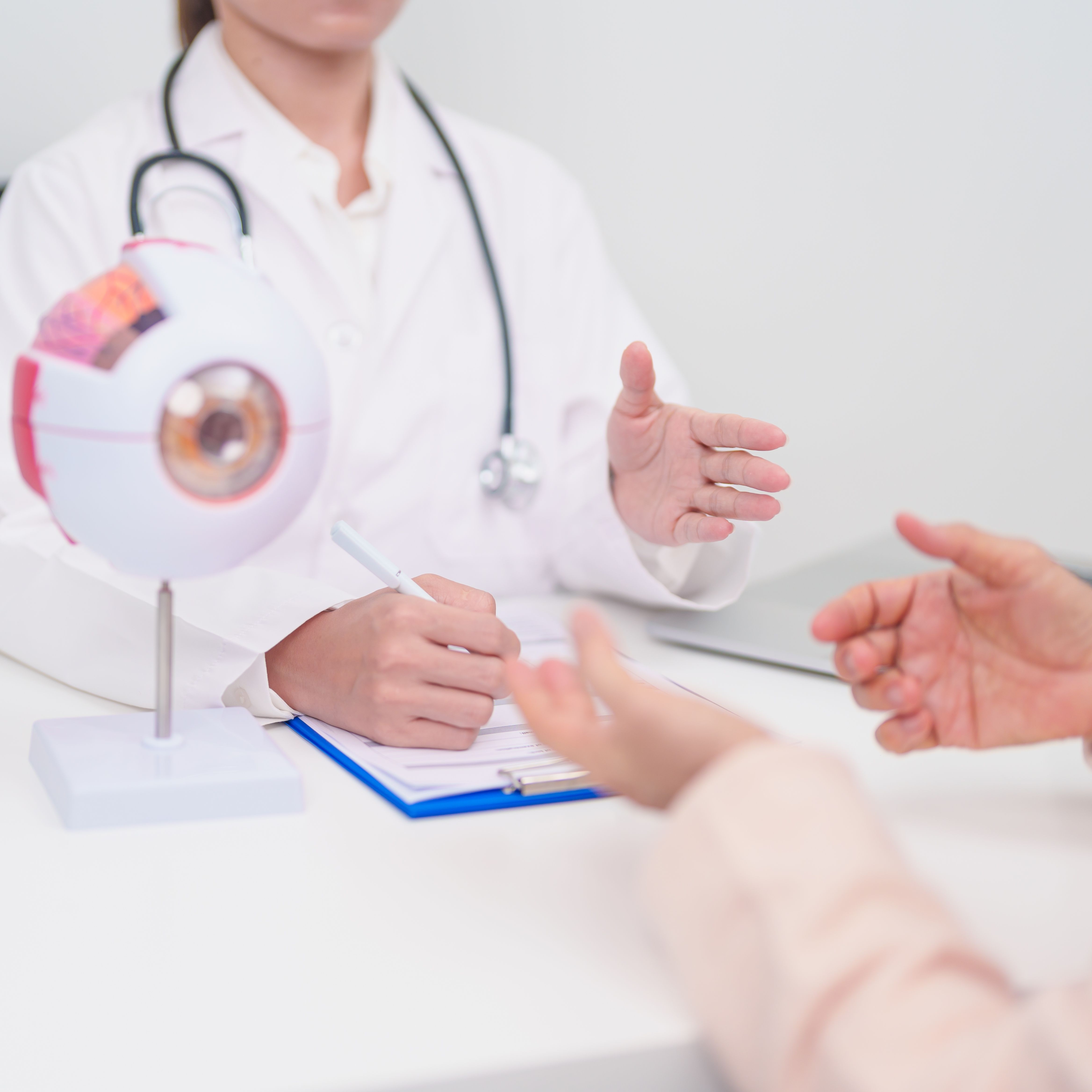
Glaucoma is often called the “silent thief of sight,” and for good reason. In its early stages, glaucoma usually causes no pain and no noticeable vision changes. Yet behind the scenes, it can steadily damage the optic nerve, leading to permanent vision loss if left untreated. The most important thing patients should know is this: once vision is lost from glaucoma, it cannot be restored - but early detection can protect the vision you still have.
What Is Glaucoma?
Glaucoma is a group of eye diseases that damage the optic nerve, the structure responsible for sending visual information from your eye to your brain. This damage is most commonly associated with elevated intraocular pressure, although glaucoma can occur even with normal eye pressure. Over time, untreated glaucoma can narrow your field of vision and eventually lead to blindness.
Why Glaucoma Is So Dangerous
The greatest danger of glaucoma is how quietly it progresses. Many patients feel fine and see well in the early stages, which is why glaucoma often goes undetected until significant damage has already occurred. Peripheral vision is typically affected first, making early changes easy to miss in everyday life. By the time symptoms become noticeable, the disease may already be advanced.
Who Is at Risk?
While anyone can develop glaucoma, certain individuals are at higher risk. These include adults over the age of 40, those with a family history of glaucoma, people with diabetes or high blood pressure, individuals of African, Hispanic, or Asian descent, and patients who have used steroid medications long term. If you fall into any of these categories, regular eye exams are especially important.
The Power of Early Detection
Early detection is the single most effective way to defend against glaucoma-related vision loss. Through routine eye exams, our ophthalmologist can detect subtle changes in eye pressure, optic nerve health, and visual fields - often before you notice any symptoms. These tests are quick, painless, and essential for identifying glaucoma in its earliest stages. When glaucoma is caught early, treatment can slow or stop its progression and preserve vision for the long term.
Treatment Options
While glaucoma cannot be cured, it can be managed effectively. Treatment may include prescription eye drops, oral medications, laser therapy, or surgical procedures designed to lower eye pressure and protect the optic nerve. The goal of treatment is not just to manage today’s eye pressure, but to safeguard your vision for years to come.
Stay Ahead of Glaucoma at EnVision Eye Institute with Dr. Gayla Rowland
Glaucoma doesn’t wait for symptoms to appear, and neither should you. Because vision loss from glaucoma is permanent, early detection truly is your best defense. With routine eye care and timely treatment, most patients with glaucoma can maintain functional vision for life.
If you have risk factors for glaucoma, schedule an eye exam with EnVision Eye Institute with Dr. Gayla Rowland and take an important step toward protecting your vision. Visit our office in Crestview, Florida, or call (850) 652-9122 to book an appointment today.


Crestview
Pensacola
Hours of Operation
- Monday 8:00 am - 4:00pm
- Tuesday 8:00 am - 4:00pm
- Wednesday 8:00 am - 4:00pm
- Thursday 8:00 am - 4:00pm
- Friday Closed
- Saturday Closed
- Sunday Closed
© EnVision Eye Institute with Dr. Gayla Rowland. All rights Reserved. Accessibility Statement - Privacy Policy - Sitemap
Powered by:


