




Ragweed Allergies vs. Blepharitis: How Crestview Patients Can Tell the Difference
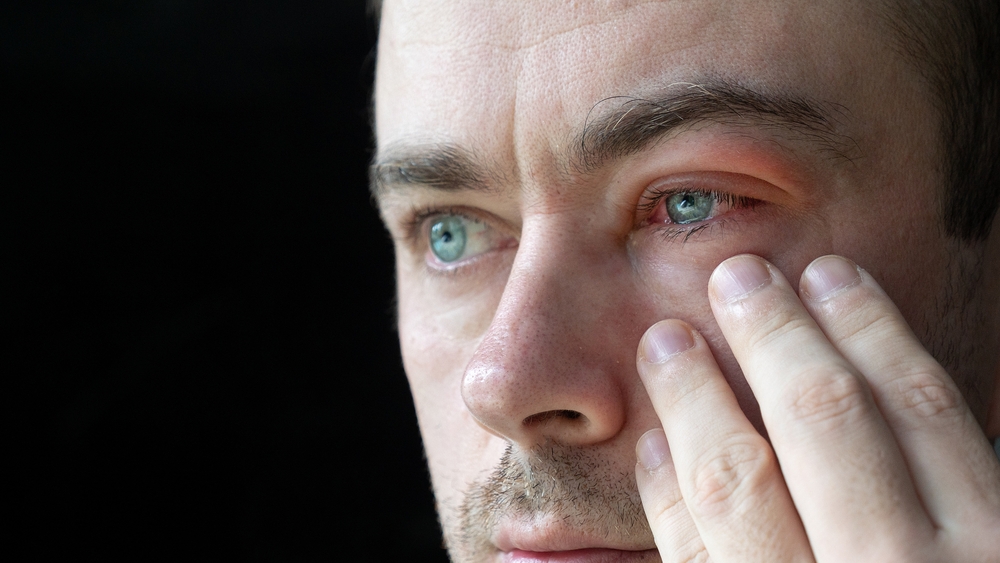
Itchy, red, irritated eyes are common concerns, especially during allergy season in Crestview, FL. While ragweed allergies and blepharitis can cause similar symptoms, they have different underlying causes and may require different treatments. Understanding the differences can help you recognize when seasonal allergies might be responsible and when an underlying eyelid condition needs attention.
At EnVision Eye Institute with Dr. Gayla Rowland, we help patients identify the source of their eye irritation and find appropriate treatment options.
How Ragweed Allergies Affect Your Eyes
Ragweed pollen is a common seasonal allergen that can trigger allergic conjunctivitis, particularly during late summer and fall. When pollen comes into contact with the eyes, the immune system releases histamine, causing inflammation and discomfort.
Common symptoms of ragweed eye allergies include itching, redness, excessive tearing, and swollen eyelids. Patients may also experience sneezing, nasal congestion, or a runny nose.
In Crestview, airborne pollen can make symptoms more noticeable after spending time outdoors. Unlike chronic eyelid conditions, seasonal allergy symptoms often fluctuate with pollen exposure.
What Is Blepharitis?
Blepharitis is inflammation of the eyelid margins, typically affecting the area around the eyelashes. It can develop when bacteria, skin conditions, or problems with the eyelid's oil glands contribute to irritation.
Unlike ragweed allergies, blepharitis is often a recurring condition that can cause symptoms throughout the year.
Patients with blepharitis may notice burning, irritation, crusting around their eyelashes, or a gritty sensation. Some also experience dry eye symptoms because inflammation and oil gland dysfunction can interfere with tear film stability.
Ragweed Allergies vs. Blepharitis: Key Differences
Although these conditions share several symptoms, certain patterns can help distinguish them:
Timing: Ragweed allergies typically worsen during pollen season, while blepharitis can occur year-round.
Itching: Intense itching is especially common with eye allergies, although blepharitis can also cause itching.
Eyelid Crusting: Flakes or crusting around the eyelashes are more characteristic of blepharitis.
Watery Eyes: Excessive tearing is common with allergies, while blepharitis may cause burning and fluctuating vision.
Other Allergy Symptoms: Sneezing and nasal congestion alongside eye irritation suggest seasonal allergies may be involved.
These differences provide helpful clues, but symptoms alone cannot always confirm a diagnosis. Some Crestview patients may experience both conditions simultaneously.
Why an Eye Examination Matters
Treating every case of eye irritation as a seasonal allergy can delay appropriate care. Allergy eye drops may relieve symptoms caused by pollen, but they do not address the underlying factors contributing to blepharitis.
At our Crestview ophthalmology practice, we examine the eyelids, eyelashes, and ocular surface to identify possible causes of irritation. We also evaluate whether dry eye disease or meibomian gland dysfunction is contributing to your discomfort.
Depending on our findings, treatment may involve allergy management, eyelid hygiene, warm compresses, prescription medication, or targeted dry eye care.
When Should You See an Ophthalmologist?
If your symptoms persist beyond allergy season, repeatedly return, or include eyelid crusting and ongoing irritation, scheduling an eye examination is important.
Eye pain, significant redness, light sensitivity, or changes in vision should be evaluated promptly. Sudden vision loss or severe eye pain requires immediate medical attention.
If you're experiencing persistent itchy eyes, eyelid inflammation, or seasonal eye allergies, contact EnVision Eye Institute with Dr. Gayla Rowland in Crestview, FL, at (850) 652-9122 to schedule an eye examination and learn about your treatment options.

Crestview
Pensacola
Hours of Operation
- Monday 8:00 am - 4:00pm
- Tuesday 8:00 am - 4:00pm
- Wednesday 8:00 am - 4:00pm
- Thursday 8:00 am - 4:00pm
- Friday Closed
- Saturday Closed
- Sunday Closed
© EnVision Eye Institute with Dr. Gayla Rowland. All rights Reserved. Accessibility Statement - Privacy Policy - Sitemap
Powered by:


