


EnVision Eye Institute with Dr. Gayla Rowland Blog
Learn more about ophthalmology care in our blog!
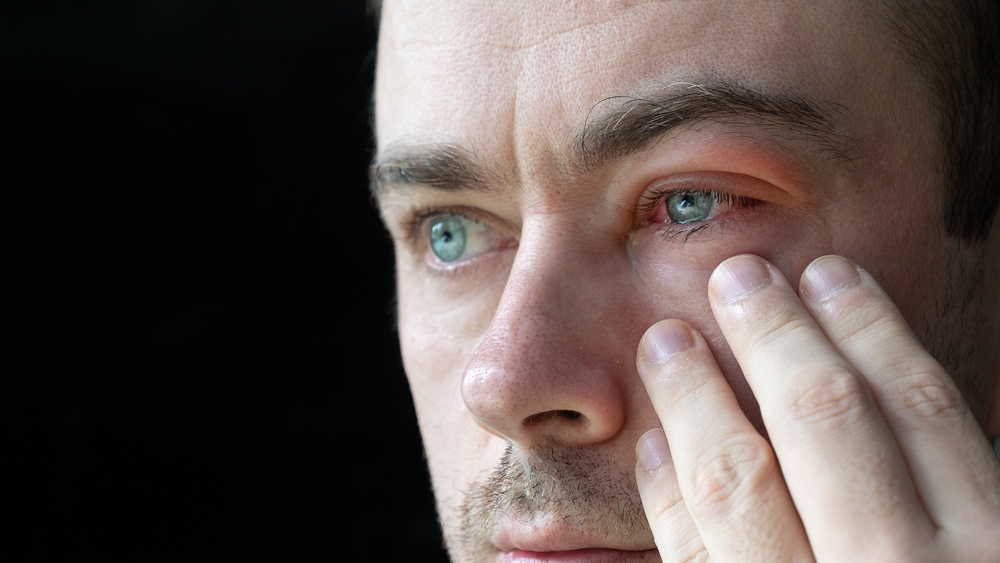
Itchy, red, irritated eyes are common concerns, especially during allergy season in Crestview, FL. While ragweed allergies and blepharitis can cause similar symptoms, they have different underlying causes and may require different treatments. Understanding the differences can help you recognize when seasonal allergies might be responsible and when an underlying eyelid condition needs attention.
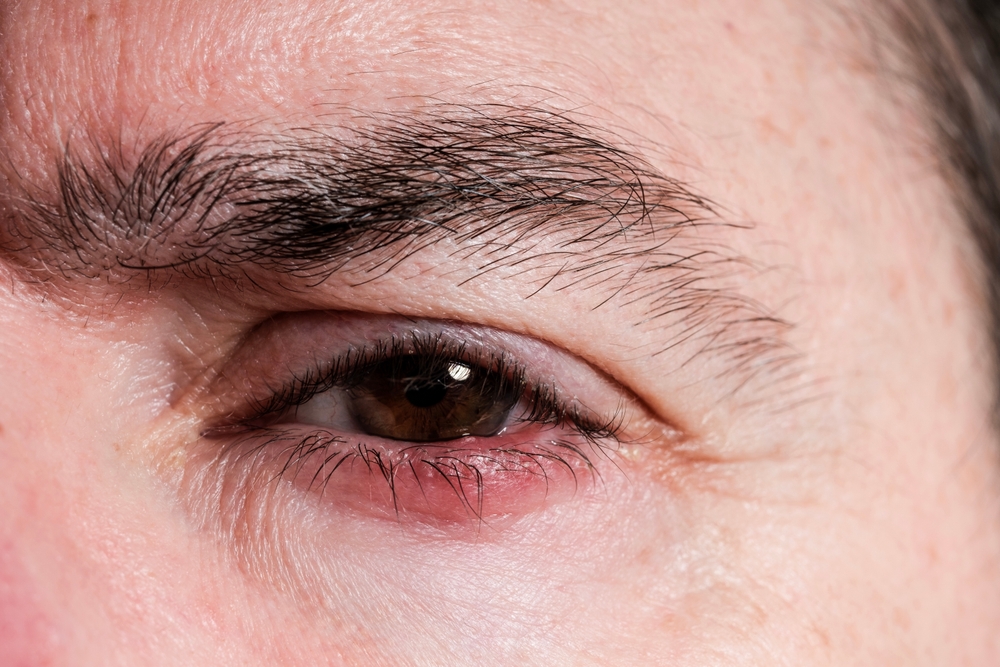
Red, itchy, irritated eyes are often blamed on seasonal allergies. While allergies can certainly cause eye discomfort, persistent redness may point to another problem, such as blepharitis or dry eye disease. At EnVision Eye Institute with Dr. Gayla Rowland in Crestview, FL, we evaluate the underlying cause of irritated eyes so we can recommend treatment based on what is actually affecting the ocular surface.
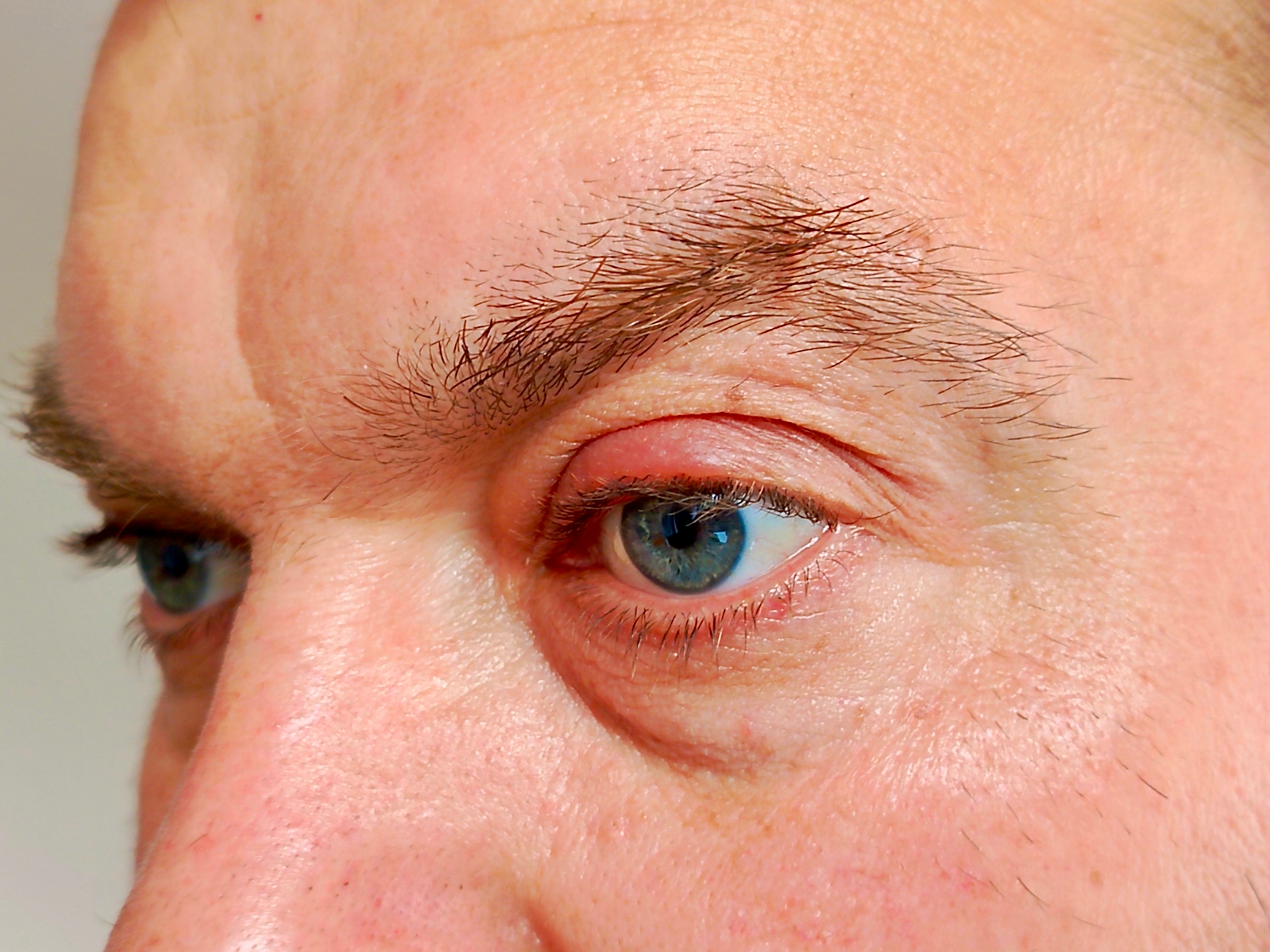
If crusting, irritation, or redness around your eyelashes continues to return, schedule a consultation with EnVision Eye Institute with Dr. Gayla Rowland to learn if BlephEx is right for you. Contact our office in Crestview or Pensacola, FL by calling (850) 652-9122 to book an appointment.

Daily face washing may remove makeup and surface residue, but it does not always eliminate the buildup that collects along the eyelid margins. Oils, bacteria, dead skin cells, and other debris can accumulate around the eyelashes, contributing to inflammation, irritation, and unstable tears. ZEST offers a professional approach to deep eyelid cleansing.
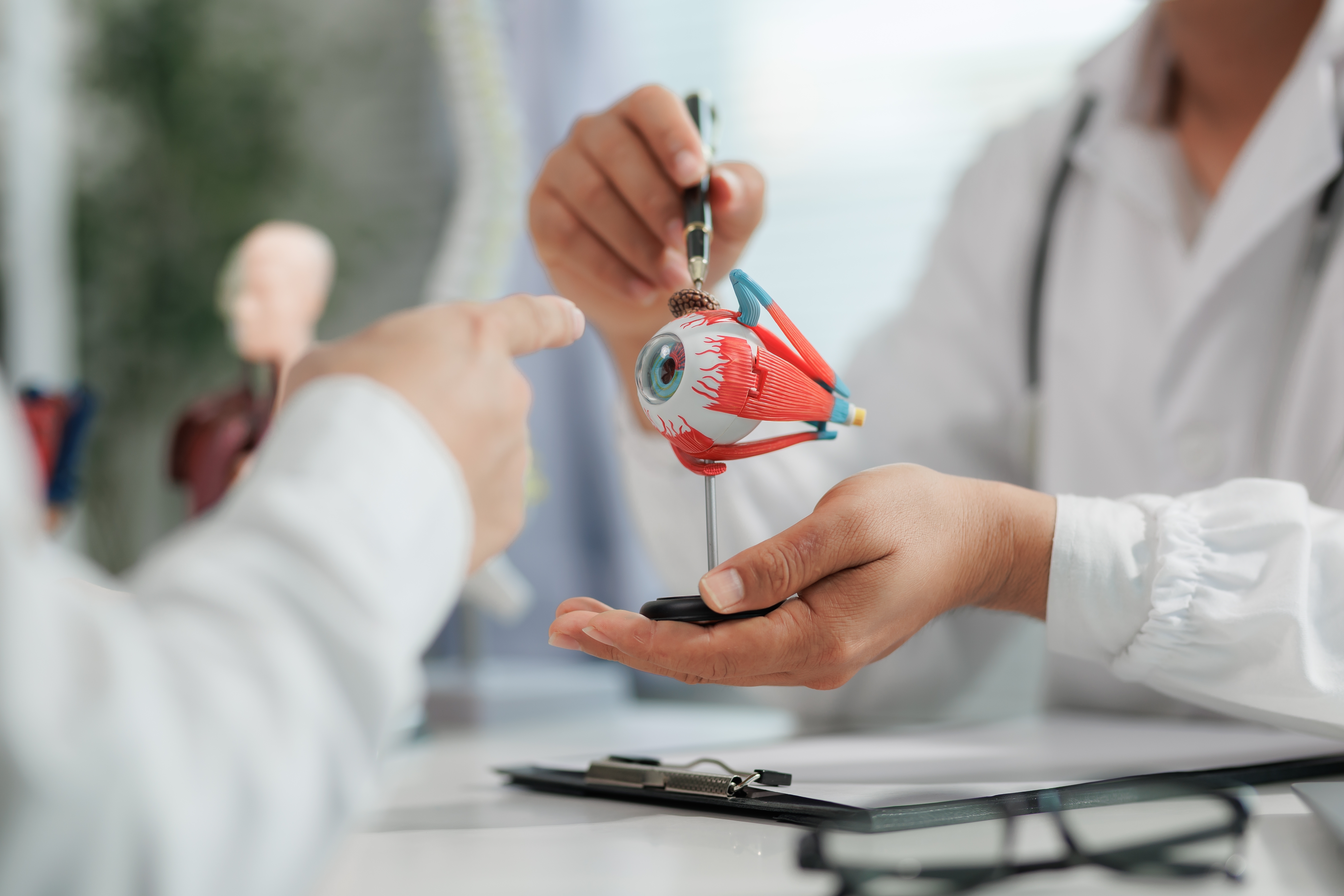
Clear vision can feel like a sign that your eyes are healthy, but many eye conditions do not cause noticeable symptoms in the beginning. A dilated eye exam gives your ophthalmologist a better view of the inside of your eyes, including the retina, optic nerve, and blood vessels. This makes it possible to detect concerns that a standard vision check may miss.
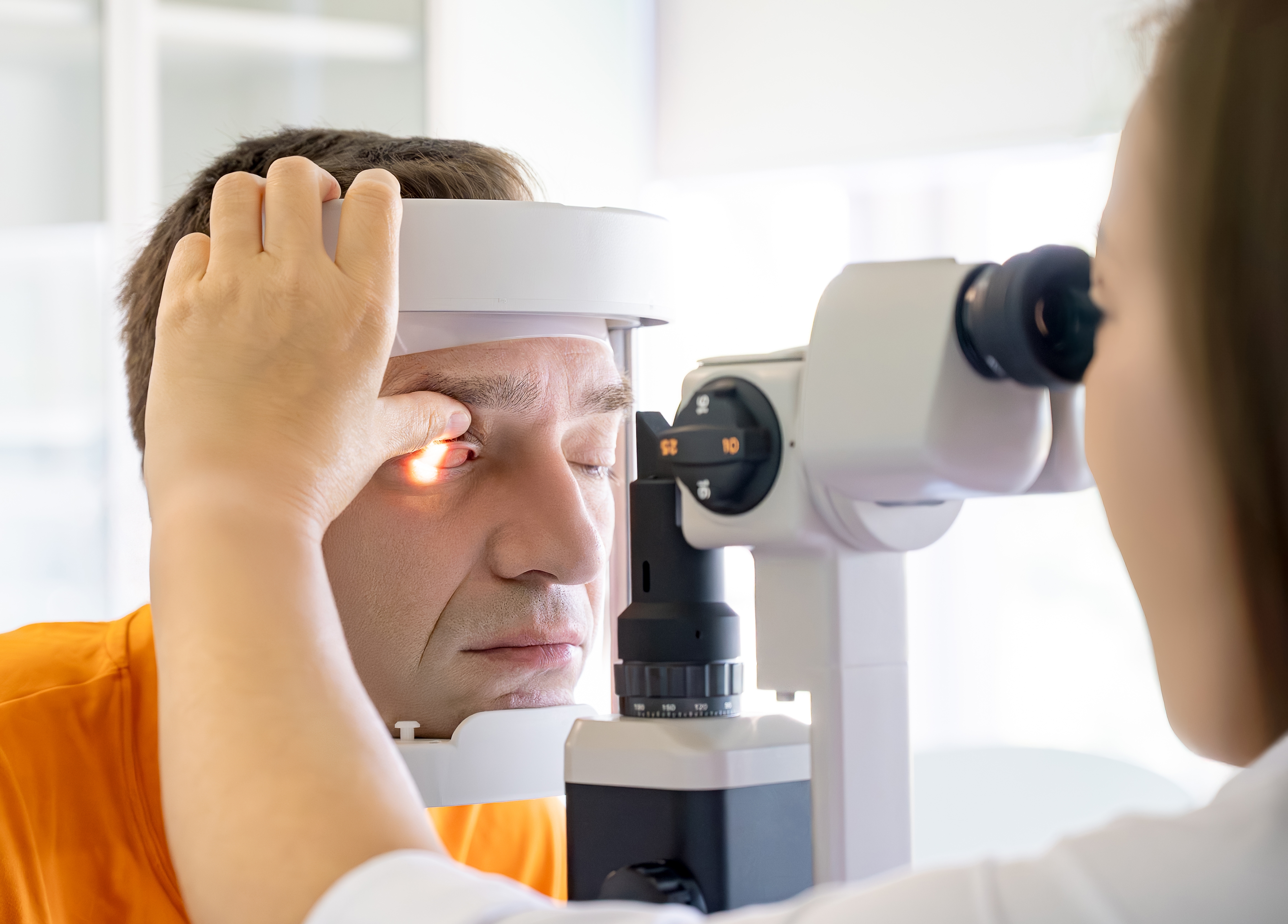
When your vision changes, waiting weeks for treatment can feel frustrating. Same-day laser treatments offer a convenient option for certain eye conditions, allowing patients to be evaluated and treated during the same visit when appropriate. At EnVision Eye Institute with Dr. Gayla Rowland, these procedures are designed to be efficient, precise, and focused on helping patients improve or protect their vision.
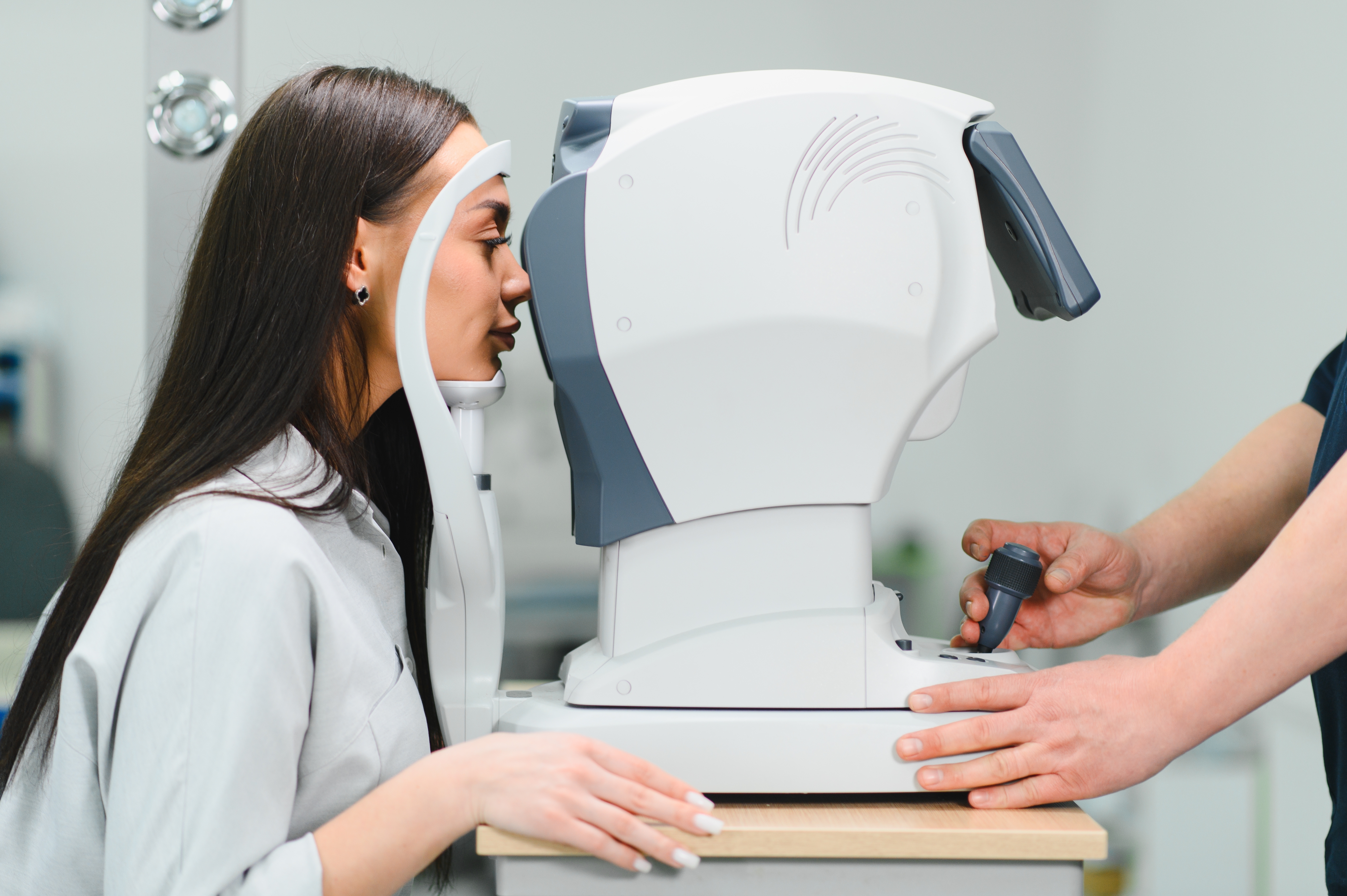
It is easy to assume you do not need an eye exam if you can see clearly at distance and near. However, sharp vision is only one part of overall eye health. A comprehensive eye exam helps us evaluate how your eyes are functioning and whether there are early signs of conditions that may not affect your vision right away.

When people ask if laser treatment is effective for glaucoma, they are often referring to selective laser trabeculoplasty (SLT). SLT is an in-office laser procedure most commonly used for open-angle glaucoma and ocular hypertension. It helps the eye’s natural drainage system work better, lowering intraocular pressure (IOP), which is the main controllable risk factor for glaucoma progression.
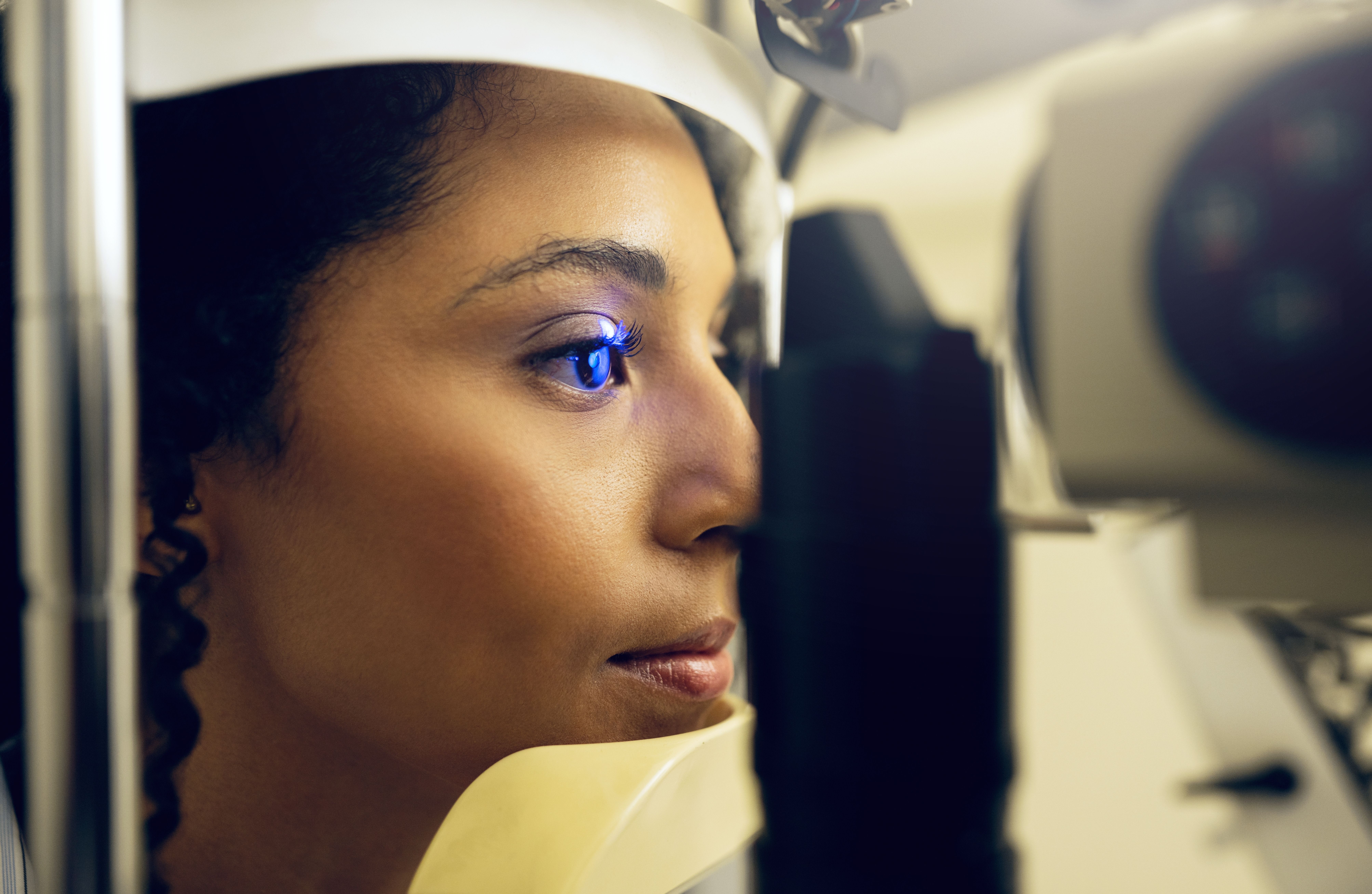
Diabetes is widely known for its effects on blood sugar, but its impact on eye health is often overlooked. Over time, diabetes can quietly damage the eyes, increasing the risk of vision-threatening conditions that may develop without obvious symptoms. Understanding how diabetes affects your eyes can make a critical difference in preserving clear, healthy vision.


Crestview
Pensacola
Hours of Operation
- Monday 8:00 am - 4:00pm
- Tuesday 8:00 am - 4:00pm
- Wednesday 8:00 am - 4:00pm
- Thursday 8:00 am - 4:00pm
- Friday Closed
- Saturday Closed
- Sunday Closed
© EnVision Eye Institute with Dr. Gayla Rowland. All rights Reserved. Accessibility Statement - Privacy Policy - Sitemap
Powered by:


